Experience culture on your own terms

INCLUDE-ID helps museums, botanic gardens and cultural institutions become places where people with intellectual disabilities do not simply gain access, but participate, contribute and enjoy culture.

1 September 2026 to 31 August 2030 10 organisations in 7 countries Horizon Europe

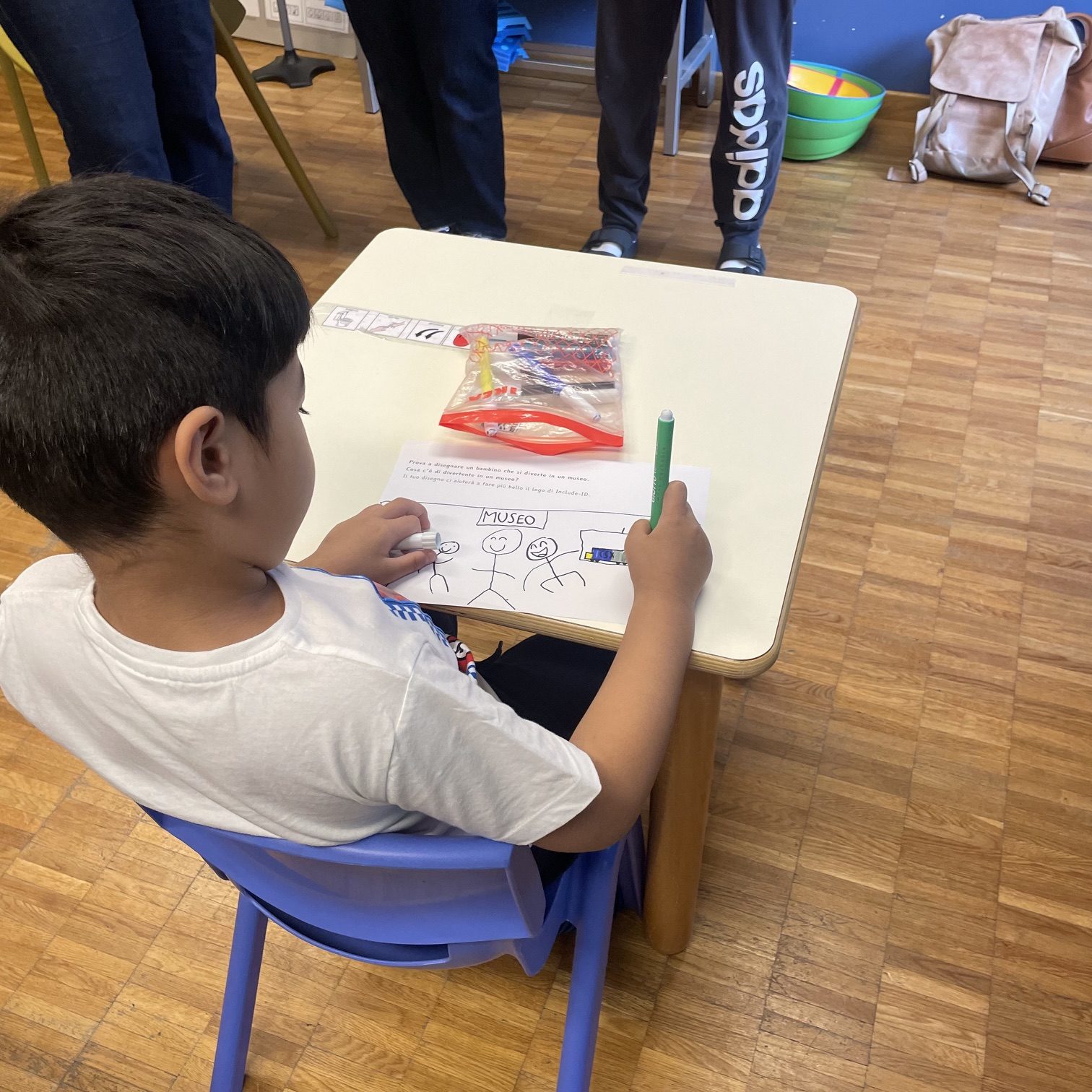
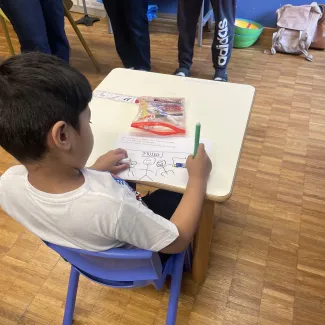
A child draws at a classroom table during an INCLUDE-ID co-design workshop
Co-design workshop with children.

Why it matters

People with intellectual disabilities remain among the most underrepresented groups in cultural life.

Many museums and botanic gardens have made progress on physical access, yet visits are still rarely designed around the needs, interests and abilities of people with intellectual disabilities.

What the project does

INCLUDE-ID is a four-year Horizon Europe research and innovation project that brings together disability experts, cultural institutions, designers, technologists and policymakers from 7 European countries. Together, the consortium is rethinking how cultural heritage institutions welcome, involve and learn from people with intellectual disabilities, as visitors, co-creators and cultural mediators.

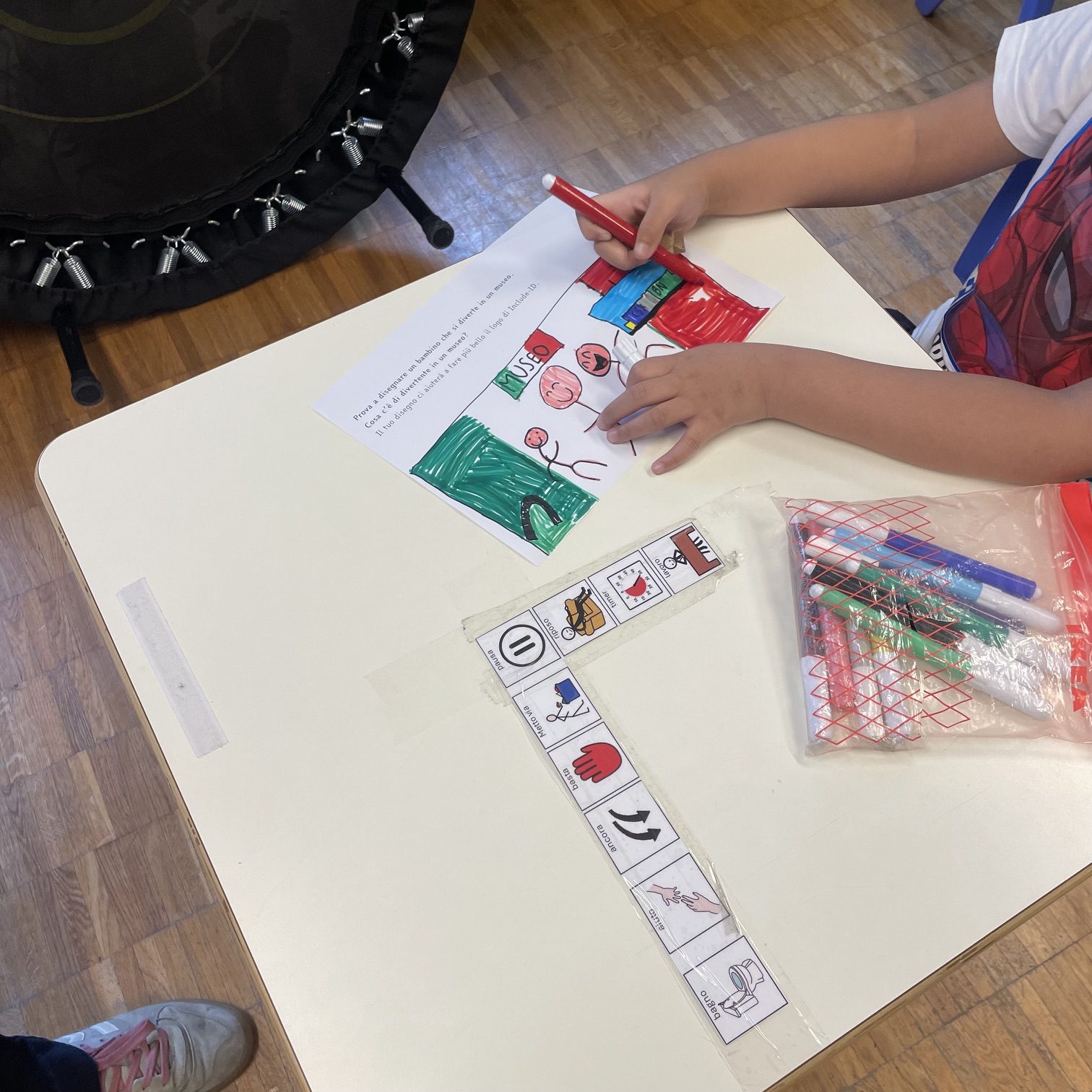
A child’s hands, coloured markers and a strip of picture symbols on a classroom table

Visitor pathway

Children and adolescents with intellectual disabilities visit three museums in Lombardy, Italy, with their classmates, teachers and families, supported by personalised and multisensory experiences.

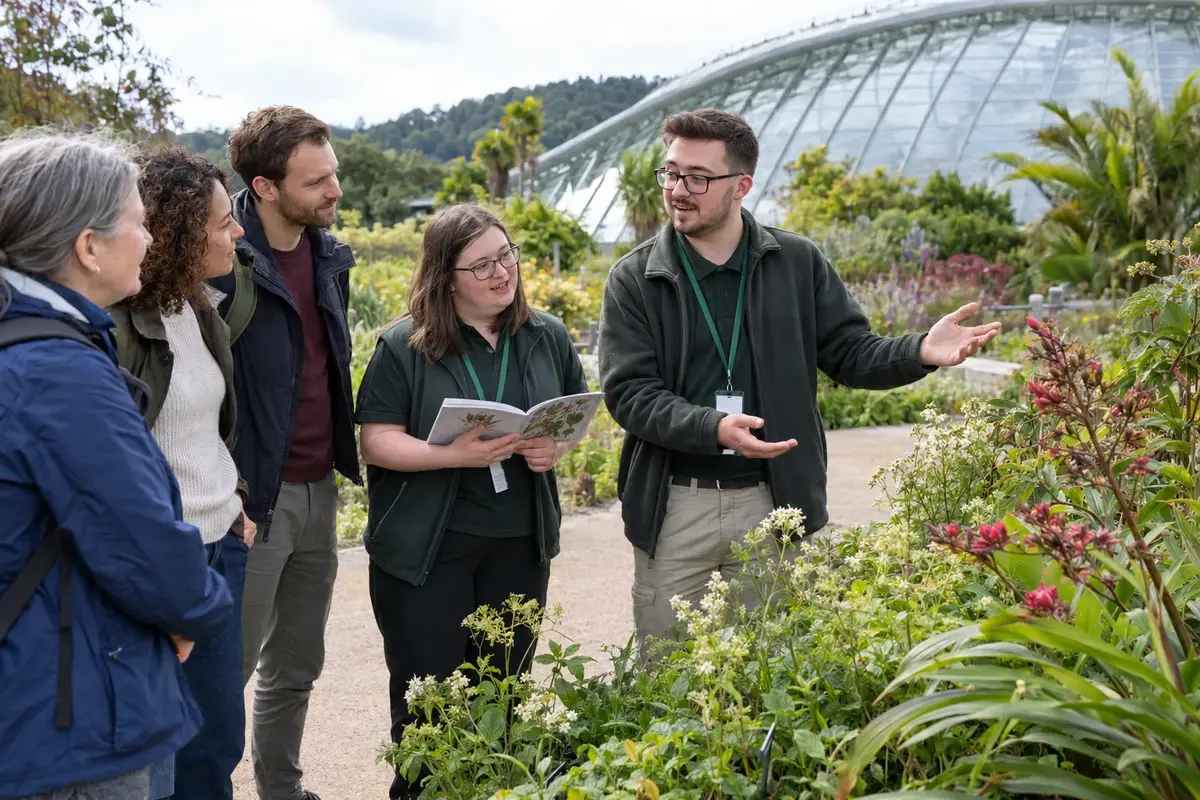
Two young guides, one of them a young woman with Down syndrome holding a plant guide, show a group of visitors around a botanic garden

Mediator pathway

Young adults with intellectual disabilities are trained and paid to work as cultural guides at the National Botanic Garden of Wales.

Where it happens

Three cultural institutions in Lombardy host the visitor pathway. The National Botanic Garden of Wales hosts the mediator pathway.

  • Milan Museo Rovati Etruscan heritage in dialogue with contemporary art
  • Varese Villa Panza Contemporary American art and site-specific environmental installations
  • Bergamo Palazzo Moroni A historic residence with a major fresco cycle and a green space in the heart of the city
  • Carmarthenshire, Wales National Botanic Garden of Wales Over 160,000 visitors a year

How we work

  • Co-design INCLUDE-ID designs cultural experiences together with people with intellectual disabilities, their families, educators and museum and botanic garden professionals, from the very first step.
  • Multisensory experiences INCLUDE-ID combines sound, touch, images, 3D objects and easy-to-read content so that each person can explore culture in the way that suits them best.
  • Adaptive technology and AI INCLUDE-ID develops and tests digital tools, including artificial intelligence, that adapt the visit to each person’s profile, always alongside human guides and never in place of them.

Steps for change

  1. Understand the barriers. Map challenges and needs with at least 150 participants and 10 institutions.
  2. Design together. Co-design inclusive cultural experiences with people with intellectual disabilities, families, educators and professionals.
  3. Develop adaptive tools. AI-based tools that personalise cultural experiences, ethically and accessibly.
  4. Build skills. Train families, cultural professionals and young people with intellectual disabilities.
  5. Test a visitor pathway for children and adolescents, together with schools and families.
  6. Test a mediator pathway that enables young adults to work as cultural guides.
  7. Change policy and practice. Policy recommendations, good practices and public events that challenge stigma.

The project in short

Full title
Including people with intellectual disabilities in cultural institutions: supporting participation and enjoyment through digital innovation and artificial intelligence
Runs from
1 September 2026 to 31 August 2030 (48 months)
EU funding
€3,398,987
Programme
Horizon Europe, Research and Innovation Action (HORIZON-CL2-2025-01-TRANSFO-09)
Granting authority
European Research Executive Agency (REA)
Consortium
10 organisations in 7 countries

Who is doing it

10 organisations from 7 European countries. Clinical research, disability advocacy, cultural heritage, inclusive design, technology, ethics and public policy each bring something different to the work.

  • IRCCS Eugenio Medea Coordinator Italy

  • L'abilità Italy
  • SUPSI Switzerland
  • Cardiff University United Kingdom
  • NTNU Norway
  • Immanence Italy
  • EIDD, Design for All Europe Austria
  • Institute for Museum Research, SPK Germany

  • The Lisbon Council Belgium
  • Department for Policies for People with Disabilities Italy

Stay informed

LinkedIn is our main channel for news, events and results. Follow INCLUDE-ID there: a LinkedIn newsletter is on its way.

Also on Bluesky (opens in a new tab) and YouTube (opens in a new tab).
Follow us on LinkedIn (opens in a new tab)